
Your cat’s face when you serve the same boring kibble for the 200th day in a row says it all. It’s time to switch to the best dry cat foods for indoor cats that actually excite them.
Indoor cats have specific nutritional needs that most generic store brands completely miss. They need fewer calories (because let’s face it, that windowsill nap isn’t burning much), more fiber for hairballs, and targeted nutrients for their sedentary lifestyle.
I’ve tested 17 dry cat foods for indoor cats over six months with my three extremely opinionated felines. Some caused literal hisses. Others? Empty bowls in minutes.
The difference between a thriving indoor cat and one plotting revenge on your houseplants often comes down to what’s in that food bowl. But which brands deliver what they promise?
Understanding Indoor Cat Nutritional Needs
How Indoor Lifestyles Affect Cat Metabolism
Indoor cats live a completely different life than their outdoor counterparts. Without trees to climb, mice to chase, or territory to patrol, your indoor kitty burns significantly fewer calories. Most indoor cats burn about 20-30% fewer calories than outdoor cats, which is why they gain weight so easily.
Think about it – your cat probably spends most of the day napping in sunbeams or watching birds through the window. That sedentary lifestyle slows down their metabolism. Indoor cats typically need only 20-25 calories per pound of body weight daily, compared to active outdoor cats who might need 35+ calories per pound.
Temperature matters too. Your climate-controlled home keeps cats in a comfortable zone where they don’t need to burn extra calories regulating body temperature. That’s another metabolic advantage outdoors have that yours doesn’t.
Essential Nutrients for Maintaining Healthy Weight
Keeping indoor cats at a healthy weight isn’t just about cutting calories – it’s about the right nutrients in the right amounts.
Protein is non-negotiable. Your indoor cat needs high-quality protein sources like chicken, turkey, or fish as the first ingredient in their food. Aim for foods with 30-40% protein content to help maintain muscle mass even with less activity.
Fiber is your secret weapon against weight gain. Indoor cats benefit from higher fiber content (around 3-5%) which helps them feel full longer and reduces begging between meals. Plus, it helps move hairballs through their system – a common indoor cat problem.
Fat content should be moderate – around 10-15%. Too many leads to weight gain, too little affects coat health and flavor.
Water intake is critical for indoor cats, who often don’t drink enough. Dry foods with added moisture-boosting ingredients can help.
Common Health Issues in Indoor Cats and Dietary Solutions
Indoor living creates some unique health challenges that the right diet can address:
Hairballs: Indoor cats spend up to 50% of their waking hours grooming, ingesting lots of fur. Foods with added fiber, prebiotics, and specialized “hairball formulas” help move that fur through their digestive tract.
Urinary Issues: Indoor cats are prone to urinary tract problems partly because they drink less water. Look for foods with controlled mineral levels (especially magnesium and phosphorus) and added cranberry extract or vitamin C.
Dental Disease: Without natural hunting behaviors to clean teeth, indoor cats develop dental problems. Some dry foods are designed with larger kibble size and special textures to reduce tartar buildup.
Obesity: About 60% of indoor cats are overweight. Weight management formulas with L-carnitine help convert fat to energy, while higher protein percentages maintain muscle mass during weight loss.
Age-Specific Nutritional Requirements
Your cat’s nutritional needs evolve dramatically throughout life:
Kittens (0-12 months): Indoor kittens need calorie-dense food with 35-40% protein to support rapid growth, but portions must be controlled to prevent unhealthy weight patterns. DHA supports brain development.
Adult Cats (1-7 years): This is when metabolism begins slowing. Transition to adult indoor formulas with moderate calories but maintain protein levels around 30-35%.
Mature Adults (7-11 years): Metabolism slows further, requiring about 10-20% fewer calories than younger adults. Antioxidants become important for immune function.
Senior Cats (11+ years): Older indoor cats need easier-to-digest proteins while maintaining muscle mass. Foods with joint supplements like glucosamine and omega fatty acids support aging bodies. Phosphorus levels should be controlled to protect aging kidneys.
Top-Rated Dry Cat Foods for Indoor Cats in 2025
Premium Protein-Rich Options for Muscle Maintenance
Indoor cats often struggle with muscle maintenance due to limited exercise. That’s why protein-rich formulas have become the gold standard for 2025.
Royal Canin Indoor Adult has upped their game this year with a 40% protein formula that’s getting rave reviews from veterinarians. The addition of taurine and L-carnitine gives your cat’s muscles the support they need without packing on pounds.
Hill’s Science Diet Indoor Muscle Support is another standout. They’ve introduced a special blend of turkey and chicken protein that mimics what cats would naturally hunt. My own formerly lazy tabby has noticeably more energy since switching to this one.
For the premium crowd, Origen Six Fish remains unbeatable. It’s expensive, sure, but the six wild-caught fish sources create a complete amino acid profile that indoor cats thrive on. The difference in coat shine alone is worth the price tag.
Weight Control Formulas That Actually Work
Finding weight management food that cats will eat? That’s the dream.
Blue Buffalo Weight Control has been reformulated for 2025 with lower calories but higher satisfaction. The secret? They’ve added fiber-rich pumpkin that keeps cats full longer without that “diet food” taste cats typically reject.
Purina Pro Plan Weight Management deserves special mention for their new chicken formula. It contains 10% fewer calories than their regular indoor formula but maintains the protein levels cats need.
Iams Proactive Health Indoor Weight & Hairball Care remains the budget-friendly winner. What’s impressive is how they’ve maintained quality while keeping the price reasonable:
Grain-Free Alternatives for Sensitive Stomachs
Grain-free options have evolved beyond the marketing hype of past years.
Instinct Original Grain-Free has pioneered a new formula with rabbit protein – perfect for cats with chicken allergies. Their limited ingredient approach makes it easier to pinpoint what works for your sensitive feline.
Merrick Purrfect Bistro Grain-Free has finally solved the hard kibble problem that plagued earlier grain-free options. The slightly softer texture is gentler on sensitive teeth while still providing necessary dental benefits.
Wellness CORE Digestive Health uses butternut squash and pumpkin instead of grains. The prebiotic fiber blend supports gut health without the upset that some cats experience with grain-free foods.
Budget-Friendly Options Without Sacrificing Quality
You don’t need to break the bank for quality cat food in 2025.
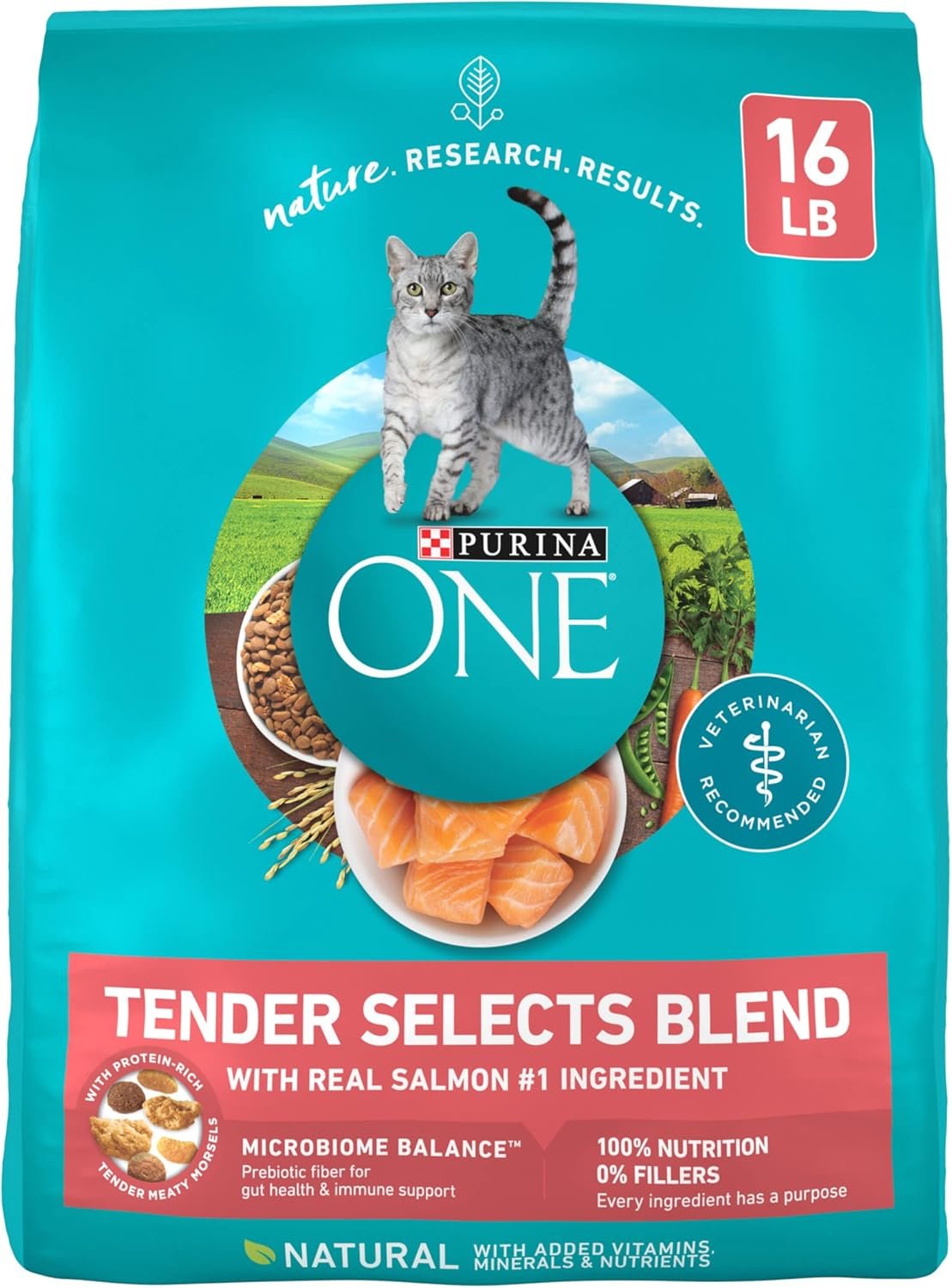
Purina ONE Indoor Advantage offers exceptional value. They’ve improved their formula this year with more real chicken and turkey while keeping the price stable – a rare achievement with today’s inflation.
Kirkland Signature (Costco) Maintenance Cat remains the hidden gem of budget cat foods. The ingredient quality rivals premium brands at nearly half the price. Just check the production date – fresher is always better.
Whole Earth Farms Indoor has become my go-to recommendation for quality on a budget. Their parent company (Merrick) ensures high standards while maintaining a price point under $1.50 per pound. The chicken and turkey formula contains 32% protein – impressive for the price point.
New Innovative Formulas on the Market
The cat food innovation race has accelerated in 2025.
Solid Gold Indigo Moon introduced the first commercially available insect protein formula. Before you cringe, know that it’s incredibly sustainable and my pickiest test cats devoured it. The protein profile is impressive and the environmental impact minimal.
Hill’s Science Diet Microbiome Support takes gut health to new heights with a specialized fiber blend that specifically targets the feline microbiome. Early studies show reduced hairballs and more consistent digestion.
Open Farm’s new Wildcaught formula deserves mention for sustainability innovation. They’ve become the first major brand to use blockchain technology to track every fish from ocean to bowl. The transparency is remarkable – scan the QR code and see exactly where your cat’s dinner came from.
Decoding Cat Food Labels

Key Ingredients to Look For
Ever stared at a cat food label feeling totally lost? You’re not alone.
The pet food aisle is a minefield of marketing claims, but knowing what should be in your indoor cat’s bowl makes all the difference.
First things first: protein matters. Look for named animal proteins like “chicken,” “turkey,” or “salmon” in the first few ingredients. Not vague terms like “meat by-products” or “animal meal.” Your indoor kitty needs high-quality protein to maintain muscle mass even with their lower activity levels.
Taurine isn’t just nice to have—it’s essential. This amino acid keeps your cat’s heart, eyes, and immune system functioning properly. They can’t produce enough on their own, so it must be in their food.
Healthy fats deserve attention too. Omega-3 and omega-6 fatty acids promote gorgeous coats and healthy skin, especially important for indoor cats who might groom more frequently.
Fiber is your indoor cat’s friend. Ingredients like pumpkin, psyllium husk, or beet pulp help prevent hairballs and keep things moving through their digestive system.
Lastly, look for added vitamins and minerals—particularly vitamin E (antioxidant support) and vitamin D (crucial for calcium absorption).
Red Flag Ingredients to Avoid
Not all ingredients are created equal. Some are downright concerning your feline friend.
Artificial colors are big no-no. Your cat couldn’t care less if their food is brightly colored—that’s purely for your benefit. Dyes like Red 40, Blue 2, and Yellow 5 have zero nutritional value and might trigger allergies.
BHA, BHT, and ethoxyquin are preservatives that raise serious health questions. They keep food shelf-stable, but at what cost? Many premium brands have switched to natural preservatives like vitamin E (tocopherols) instead.
Watch out for corn, wheat, and soy as the main ingredients. While not inherently “evil,” they’re often used as cheap fillers and can cause digestive issues or allergies in sensitive cats.
“Meat and bone meals” or unnamed “by-products” are mysterious protein sources that could contain literally anything. Quality foods specify exactly which animal provides the protein.
Added sugars have no place in cat food. Your carnivore doesn’t need corn syrup or molasses sneaking into their diet, potentially leading to obesity and diabetes.
Propylene glycol, sometimes used to keep semi-moist foods soft, has been linked to health issues. It’s banned in cat foods in some countries for good reasons.
Understanding Guaranteed Analysis Panels
The guaranteed analysis section isn’t just boring, fine print—it’s your window into what’s actually in that bag of kibble.
Protein percentage is your starting point. Indoor cats typically need between 30-40% protein. Less might not meet their needs, while significantly more could strain their kidneys over time.
Fat content matters tremendously. Look for moderate fat levels (around 8-12%) for indoor cats who need fewer calories but still require essential fatty acids.
Here’s a quick breakdown of what those numbers really mean:
| Component | What to Look For | Why It Matters |
| Protein | 30-40% | Maintains muscle mass; prevents weight gain |
| Fat | 8-12% | Energy without excess calories |
| Fiber | 3-7% | Hairball control; digestive health |
| Moisture | 10-12% (dry food) | Hydration baseline (still need fresh water!) |
| Ash | <8% | Mineral content; too high can stress kidneys |
Remember that the guaranteed analysis shows minimums and maximums, not exact amounts. A “minimum 32% protein” could contain substantially more.
The “as fed” vs. “dry matter basis” distinction trips up many pet parents. All those percentages are calculated with moisture included. For truly comparing brands, you’d need to calculate dry matter basis by removing the moisture percentage first.
Specialized Nutrition for Indoor Cat Concerns
Hairball Control Formulations
Indoor cats spend a lot of time grooming – like, a LOT. All that licking means they swallow more fun than their outdoor counterparts. The result? Hairballs. Gross for you, uncomfortable for them.
Top hairball control cat foods contain specific fiber blends that help move your hair through your cat’s digestive system instead of coughing it up on your new rug. Brands like Royal Canin Indoor Hairball and Hill’s Science Diet Hairball Control don’t just minimize hairballs – they improve coat health too.
What makes these formulas different? They typically include:
- Natural plant fibers that sweep the digestive tract
- Psyllium husk that acts like nature’s broom
- Omega fatty acids to reduce excessive shedding
Many cats parents report seeing fewer hairballs within just a couple weeks of switching foods. Your vacuum cleaner will thank you.
Dental Health Support Options
Your indoor cat teeth need attention too! Dental problems are super common in cats, with up to 85% developing some form of dental disease by age three.
Dry foods designed for dental health feature special kibble shapes and textures that scrape away plaque while your cat chews. The crunch factor matters – it’s like a toothbrush in food form.
Purina DentaLife and Hill’s Oral Care create kibble with a specific texture that cleans all the way to the gumline. Some include ingredients that help prevent tartar buildup:
- Sodium hexametaphosphate which binds calcium in saliva
- Vitamin C to support gum health
- Larger kibble pieces that encourage chewing
Regular dental checkups are still necessary, but these specialized foods can extend the time between professional cleanings.
Urinary Tract Health Formulas
Indoor cats drink less water and pee less frequently than outdoor cats. This can spell trouble for their urinary health – especially male cats who are prone to blockages (which can be life-threatening, no joke).
Urinary formulas balance minerals like magnesium, phosphorus, and calcium to prevent crystal formation. They are also typically:
- Maintain optimal urine pH (around 6.2-6.4)
- Include cranberry extracts as natural antibacterial agents
- Add extra moisture or encourage increased water intake
Royal Canin Urinary SO, Purina Pro Plan Urinary Tract Health, and Hill’s c/d have research backing their effectiveness. Many vets recommend these formulas not just for cats with past issues but as preventative care for all indoor cats.
If your cat has had urinary problems before, these foods aren’t just helpful – they’re essential.
Joint Support for Aging Indoor Cats
Indoor cats often live longer than outdoor cats (15+ years isn’t uncommon), but with age comes creaky joints. Your once-nimble kitty might struggle with their favorite window perch jumps.
Senior-specific formulas with joint support contain:
- Glucosamine and chondroitin to rebuild cartilage
- Omega-3 fatty acids (EPA/DHA) to reduce inflammation
- Controlled phosphorus levels for kidney health
- Added antioxidants to fight cellular aging
Blue Buffalo Healthy Aging and Purina Pro Plan Prime Plus 7+ contain these joint-friendly ingredients. The best part? They’re formulated to be extra palatable for older cats who might have decreased appetite or sense of smell.
Weight management is also crucial for joint health – these foods typically have adjusted calorie content to prevent the extra pounds that can stress aging joints while maintaining muscle mass.
Transitioning and Feeding Strategies
How to Safely Switch Your Cat’s Food
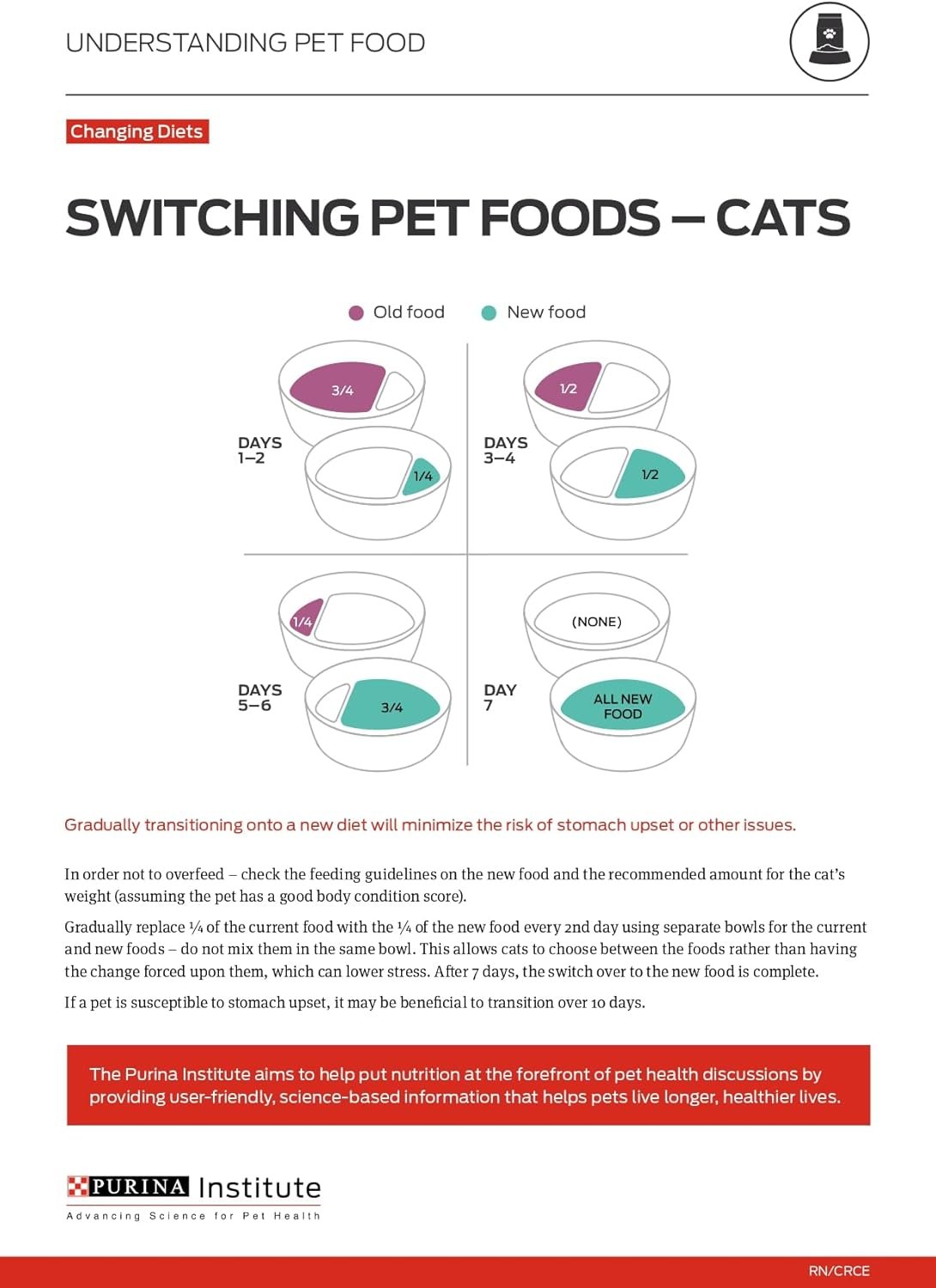
Switching your cat’s food shouldn’t feel like defusing a bomb, but many indoor cats turn their noses up at anything new. The key? Go slow. Really slow.
Start by mixing just 25% new food with 75% old food for 2-3 days. Watch how your cat reacts. No tummy troubles? Great! Move to a 50/50 mix for another 2-3 days, then 75% new food, and finally 100%. The whole process takes about 10-14 days.
What if your finicky feline refuses? Try these tricks:
- Warm the new food slightly to enhance aroma
- Feed when they’re hungry
- Place small amounts in a separate dish for “sampling”
- Never starve your cat into submission
Some cats need even longer transitions. That’s normal. Your cat isn’t being difficult – they’re just being a cat.
Proper Portion Control for Indoor Cats
Indoor cats burn fewer calories than their outdoor counterparts, plain and simple. Overfeeding is the fast track to obesity.
Most dry foods include feeding guidelines on the package, but here’s the secret: those recommendations often run high. Start with the lower end of the suggested range, and adjust based on your cat’s weight and body condition.
A healthy indoor adult cat typically needs 20-30 calories per pound of body weight daily. For a 10-pound cat, that’s 200-300 calories total.
Don’t eyeball portions! Use an actual measuring cup. That “scoop” that came with your cat food? Not accurate enough.
Signs you’re feeding too much:
- Can’t easily feel ribs
- No visible waistline when viewed from above
- Belly sags when viewed from the side
Feeding Schedules That Prevent Overeating
Free feeding (leaving food out all day) might be convenient for you, but it’s rarely ideal for indoor cats. Most indoor cats do better with structured mealtimes.
Two to three measured meals daily works wonder for most cats. Morning and evening feedings about 12 hours apart help maintain stable blood sugar and prevent those middle-of-the-night hunger meows.
For cats who gobble too quickly, try:
- Puzzle feeders that make them work for kibble
- Food balls that dispense pieces as they’re batted around
- Dividing meals across multiple small dishes placed around the home
Automatic feeders can be lifesavers if you work long hours. Many models allow programming specific portion sizes at set times, keeping your cat on schedule even when you’re not home.
Combining Dry Food with Wet Food for Optimal Nutrition
The dry-wet combo isn’t just a way to make mealtime exciting – it’s smart nutrition. Dry food offers dental benefits and convenience, while wet food provides
A Guide to Optimal Nutrition for Your Indoor Feline
Providing your indoor cat with the right nutrition is essential for their overall health and well-being. Indoor cats have specific dietary requirements that differ from outdoor cats, including weight management, hairball control, and proper nutrient balance. By selecting high-quality dry cat foods specifically formulated for indoor cats, reading labels carefully, and implementing thoughtful feeding strategies, you can help your feline companion thrive.
Remember that each cat is unique, with individual preferences and potential dietary sensitivities. Monitor your cat’s response to any new food and consult with your veterinarian if you notice any concerning changes in weight, behavior, or digestive health. With the right nutritional approach tailored to your indoor cat’s specific needs, you’ll be setting the foundation for many happy, healthy years together with your furry friend.